








/NASA’s%20Artemis%20III%20Announcement%20(Official%20NASA%20Trailer)~thumb.jpg)



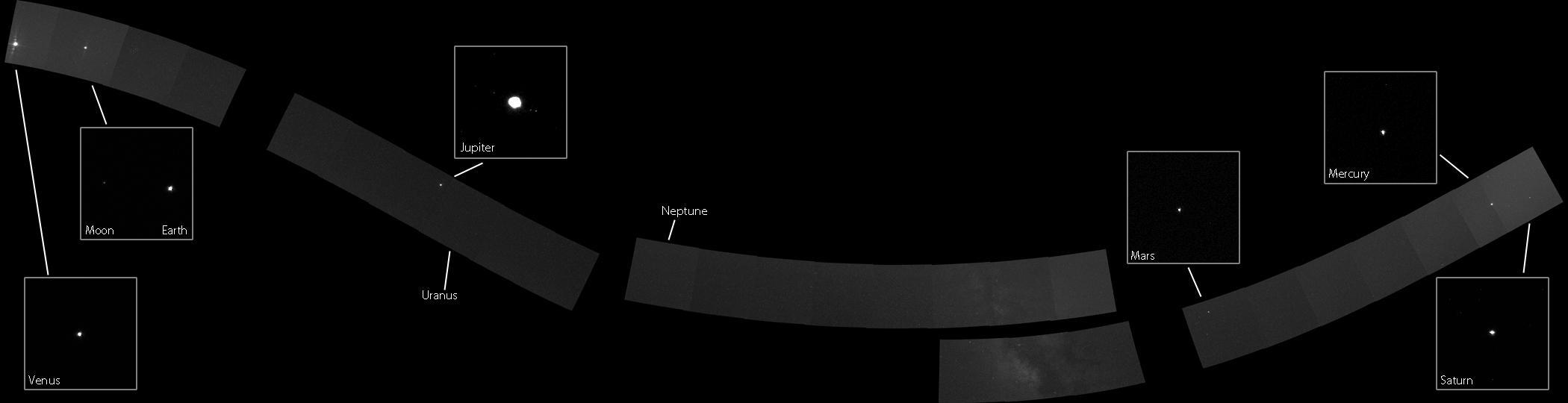
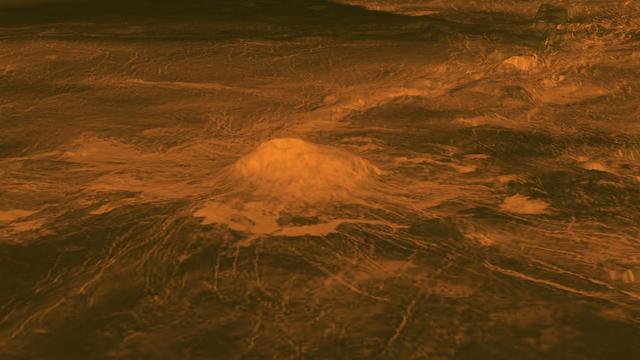
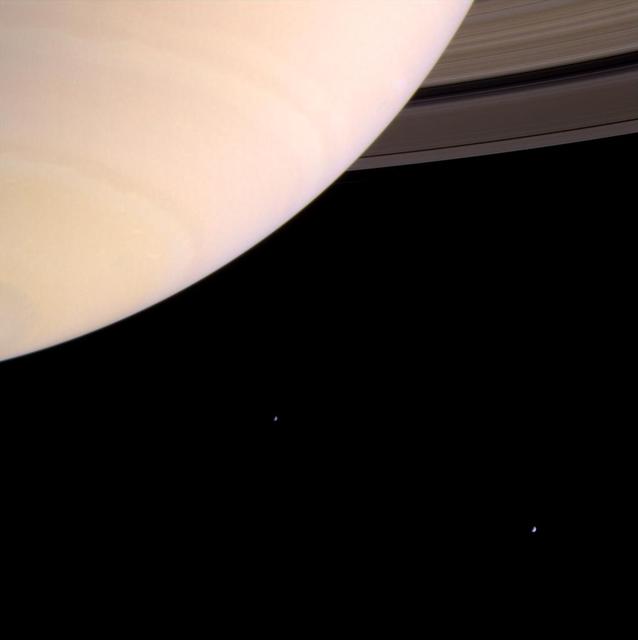
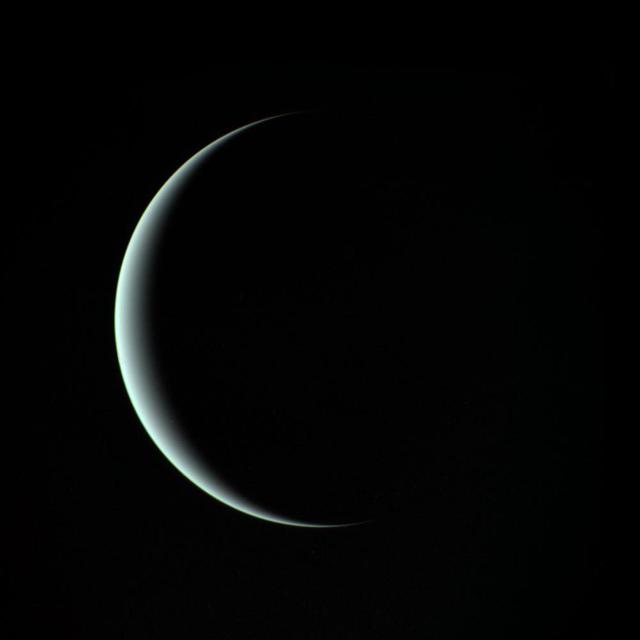
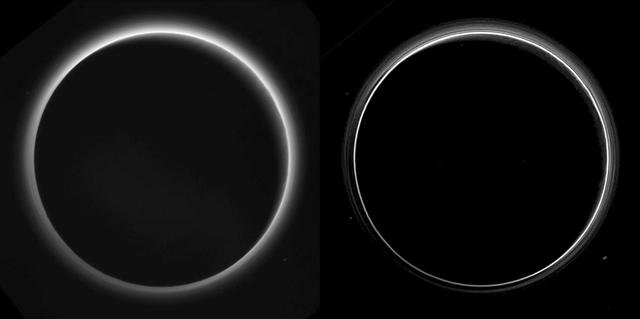
This is a montage of planetary images taken by spacecraft managed by NASA’s Jet Propulsion Laboratory in Pasadena, CA. Included are from top to bottom images of Mercury, Venus, Earth and Moon, Mars, Jupiter, Saturn, Uranus and Neptune.
Ver en NASA ↗🚀 Biblioteca espacial oficial
Imágenes y vídeos de NASA
Explora el catálogo multimedia público de NASA sin salir de TuPortalNews.
Explora temas destacados
Selecciona un tema o realiza una búsqueda personalizada.
4.237 resultados en NASA
At first glance, Saturn rings appear to be intersecting themselves in an impossible way. In actuality, this view from NASA Cassini spacecraft shows the rings in front of the planet, upon which the shadow of the rings is cast.
Ver en NASA ↗Saturn moon Prometheus orbits near some of its handiwork in the F ring in this image from NASA Cassini spacecraft. Prometheus and its partner Pandora gravitationally sculpt and maintain the narrow F ring.
Ver en NASA ↗This artist concept shows a possible model of Titan internal structure that incorporates data from NASA Cassini spacecraft. A model of Cassini is shown making a targeted flyby over Titan cloudtops; Saturn and Enceladus appear at upper right.
Ver en NASA ↗NASA Cassini spacecraft looks toward the dark side of Saturn largest moon as a circle of light is produced by sunlight scattering through the periphery of Titan atmosphere. A detached, high-altitude global haze layer encircles the moon.
Ver en NASA ↗The small moon Mimas passes in front of the larger moon Rhea which is partly obscured by Saturn rings in this image from NASA Cassini spacecraft. Go to the Photojournal to view the animation.
Ver en NASA ↗The rings cannot hide the ragged, icy crescent of Rhea, here imaged in color by the Cassini spacecraft. The second-largest moon of Saturn shines brightly through gaps in the rings
Ver en NASA ↗Bright spokes and the shadow of a moon grace Saturn B ring in this NASA Cassini spacecraft image. Spokes are radial markings scientists continue to study, and they can be seen here stretching from the far left to upper right of the image.
Ver en NASA ↗A crescent Enceladus, imaged by NASA Cassini spacecraft from the night side, shows off its spectacular water ice plumes emanating from the south polar region of this moon of Saturn.
Ver en NASA ↗This graphic demonstrates the hiss-like radio noise generated by electrons moving along magnetic field lines from the Saturnian moon Enceladus to a glowing patch of ultraviolet light on Saturn.
Ver en NASA ↗Saturn rings and small moon Prometheus obscure NASA Cassini spacecraft view of the planet second largest moon, Rhea. Prometheus can be seen just below the center of the image, in front of Rhea.
Ver en NASA ↗NASA Cassini spacecraft looks past the cratered south polar area of Saturn moon Rhea to spy the moon Dione and the planet rings in the distance. Dione wispy terrain can be seen on the trailing hemisphere of that moon.
Ver en NASA ↗Wispy terrain winds across the trailing hemisphere of Saturn moon Dione in this view taken during NASA Cassini spacecraft Jan. 27, 2010 non-targeted flyby.
Ver en NASA ↗This global map of Saturn moon Mimas was created using images taken during NASA Cassini spacecraft flybys, with NASA Voyager images filling in the gaps in Cassini coverage.
Ver en NASA ↗NASA Cassini spacecraft imaged the surface of Saturn moon Helene as the it flew by the moon on Jan. 31, 2011. Helene is a Trojan moon of Dione, named for the Trojan asteroids that orbit 60 degrees ahead of and behind Jupiter as it circles the Sun.
Ver en NASA ↗Bright clumps of ring material and a fan-like structure appear near the core of Saturn tenuous F ring in this mosaic of images from NASA Cassini spacecraft. Such features suggest the existence of additional objects in the F ring.
Ver en NASA ↗Saturn moon Pandora shares the stage with ghostly B ring spokes in this NASA Cassini spacecraft scene. Pandora is on the left. The spokes are the radial markings visible on the right of the image.
Ver en NASA ↗NASA Cassini spacecraft captures here one of its closest views of Saturn ring-embedded moon Daphnis. Seen at the upper left of this image, Daphnis appears in the Keeler Gap near the edge waves it has created in the A ring.
Ver en NASA ↗This image from the Cassini spacecraft shows a ghostly white streak, called a spoke, in Saturn B ring. This is the first sighting of a spoke in nearly a year, and the first spoke seen by Cassini on the sunlit side of the rings
Ver en NASA ↗Fine topographic detail and color variations are revealed in this 11-image, false color mosaic taken during Cassini second close flyby of Saturn moon Enceladus, on March 9, 2005
Ver en NASA ↗Keeping a close watch on the outer portion of Saturn B ring, NASA Cassini spacecraft records the complex inward and outward movement of the edge of the ring. This ring movement resembles the suspected behavior of spiral disk galaxies.
Ver en NASA ↗NASA Cassini spacecraft captured dramatic plumes, both large and small, spray water ice out from many locations along the famed tiger stripes near the south pole of Saturn moon Enceladus.
Ver en NASA ↗A propeller-shaped structure, created by an unseen moon, can be seen in Saturn A ring and looks like a small, dark line interrupting the bright surrounding ring material in the upper left of this image taken by NASA Cassini spacecraft.
Ver en NASA ↗NASA Cassini spacecraft captured this wide-angle image showing the south polar region of Saturn moon Enceladus. The outlined area focuses on Baghdad Sulcus, a fracture in the south polar region.
Ver en NASA ↗Contenido y metadatos proporcionados por la NASA Image and Video Library.