




/NASA’s%20Artemis%20III%20Announcement%20(Official%20NASA%20Trailer)~thumb.jpg)
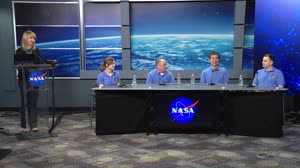

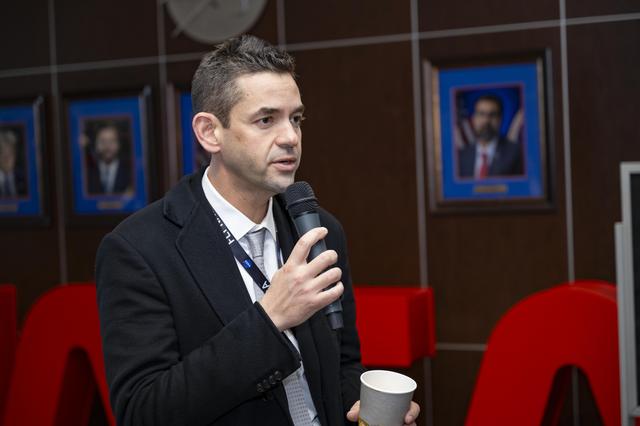
Aboard the International Space Station, NASA Expedition 66 Flight Engineer Kayla Barron discussed living and working in space during an in-flight interview January 5 with the Washington Spokesman Review, a daily newspaper based in Spokane, Washington. Barron …
Ver en NASA ↗🚀 Biblioteca espacial oficial
Imágenes y vídeos de NASA
Explora el catálogo multimedia público de NASA sin salir de TuPortalNews.
Explora temas destacados
Selecciona un tema o realiza una búsqueda personalizada.
2.275 resultados en NASA
NASA Astronaut Frank Rubio discusses his upcoming mission to the International Space Station with media during virtual individual media interviews from Star City, Russia. Rubio, along with Roscosmos cosmonauts Sergey Prokopyev and Dmitri Petelin, is scheduled…
Ver en NASA ↗Loaded with food, fuel, research investigations, and supplies, the unpiloted Northrop Grumman CRS-18 Cygnus cargo craft arrived to the International Space Station November 8 where it was installed to the nadir port of the Unity module. Dubbed the “SS Sally Ri…
Ver en NASA ↗NASA astronauts Butch Wilmore and Suni Williams, the crew of NASA’s Boeing’s Crew Flight Test, answered questions from the media about their test flight to the International Space Station on July 10. Wilmore and Williams have been living and working aboard th…
Ver en NASA ↗Astronauts are public figures and much of their history is well known, but not all of it. We “grilled” the astronauts flying to the International Space Station on NASA’s SpaceX Crew-3 mission – Raja Chari, Tom Marshburn, Kayla Barron, and Matthias Maurer – w…
Ver en NASA ↗Aboard the International Space Station, NASA Expedition 66 Flight Engineers Mark Vande Hei, Raja Chari, and Tom Marshburn of NASA answered pre-recorded questions about life and work on the orbital laboratory during an in-flight event Feb. 9 with students atte…
Ver en NASA ↗An unpiloted JAXA (Japan Aerospace Exploration Agency) HTV-X1 cargo spacecraft was released from the nadir port of the Harmony module of the International Space Station March 6. HTV-X1 arrived to the space station Oct. 29, 2025 with thousands of pounds of car…
Ver en NASA ↗Following a meeting with the Artemis II Mission Management Team, NASA held a briefing to discuss progress of the mission so far. Participants included Dr. Lori Glaze, deputy associate administrator for NASA's Exploration Systems Development Mission Directorat…
Ver en NASA ↗Expedition 61 Flight Engineer Christina Koch of NASA returned home to Ellington Field in Houston, Texas Feb. 7 aboard a NASA plane some 24 hours after a parachute-assisted landing in a Russian Soyuz spacecraft in Kazakhstan. Koch set a record for the longest …
Ver en NASA ↗Aboard the International Space Station, NASA Expedition 66 Flight Engineer Mark Vande Hei of NASA answered pre-recorded questions about life and work on the orbital laboratory during an in-flight event Feb. 10 with students attending Virginia Western Communit…
Ver en NASA ↗Aboard the International Space Station, NASA Expedition 66 Flight Engineer Kayla Barron of NASA answered pre-recorded questions about life and work on the orbital laboratory during an in-flight event Feb. 7 with students attending North Decatur Elementary Sch…
Ver en NASA ↗Aboard the International Space Station, Expedition 74 flight engineer Sophie Adenot of ESA (European Space Agency) discussed life and work aboard the orbital outpost during an in-flight interview July 15 with French social media influencer “Hugo Decrypte.” Ad…
Ver en NASA ↗ASTRONAUT DISCUSSES LIFE ABOARD THE SPACE STATION WITH WASHINGTON STATE GOVENOR Aboard the International Space Station, NASA Expedition 66 Flight Engineer Kayla Barron discussed living and working in space during an in-flight interview December 21 with Washi…
Ver en NASA ↗Loaded with scientific experiments and supplies, the unpiloted SpaceX Dragon undocked from the International Space Station June 29, completing a three-week-long mission to the outpost for the company’s 28th commercial resupply services mission for NASA. The S…
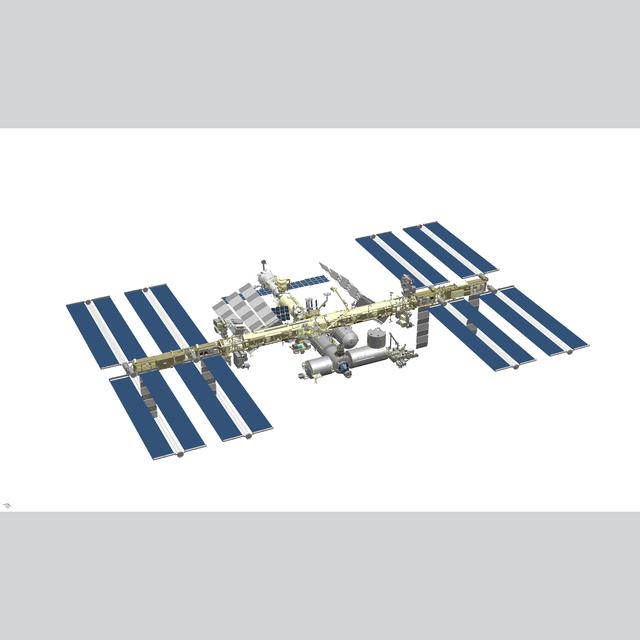
Ver en NASA ↗The International Space Station is a microgravity research lab hosting groundbreaking technology demonstrations and scientific investigations. More than 3,700 investigations conducted to date have generated more than 4,000 research articles published in scien…
Ver en NASA ↗OSIRIS-REx's imagery of Asteroid Bennu from its arrival on December 3, 2018 to its final imagery on April 7th, 2021.
Ver en NASA ↗SpaceCast Weekly is a NASA Television broadcast from the Johnson Space Center in Houston featuring stories about NASA’s work in human spaceflight, including the International Space Station and its crews and scientific research activities, and the development …
Ver en NASA ↗The International Space Station flew 260 miles over Tropical Storm Ian at 2:10 p.m. EDT Thursday, Sept. 29, 2022. External cameras on the orbiting laboratory captured views of the storm as it began to move off of the east coast of Florida. Ian made landfall n…
Ver en NASA ↗Aboard the International Space Station, Expedition 75 flight engineer Joshua Kutryk of CSA (Canadian Space Agency), discussed life and work aboard the orbital outpost during an in-flight interview Oct. 13 with reporters attending a Canadian media conference a…
Ver en NASA ↗Europa Clipper Solar Array Deployment
Ver en NASA ↗NASA's Europa Clipper lift and push into PHSF at the Kennedy Space Center
Ver en NASA ↗What are some skywatching highlights in October 2025? A supermoon takes over the sky, the Draconid meteor shower peeks through, and the Orionid meteor shower shines bright. Additional information about topics covered in this episode of What's Up, along wit…
Ver en NASA ↗Contenido y metadatos proporcionados por la NASA Image and Video Library.